If you or someone you know has a mental health problem, there are ways to get help.
Studies show that most people with mental health problems get better and many recover completely.
People often don’t get the mental health services they need because they don’t know where to start.
Talk to your primary care doctor or another health professional about mental health problems.
Ask them to connect you with the right mental health services.
Here we can't offer you professional counseling, but we hope to at least brighteen up your mood!
Let's start with some motivational videos and audios.
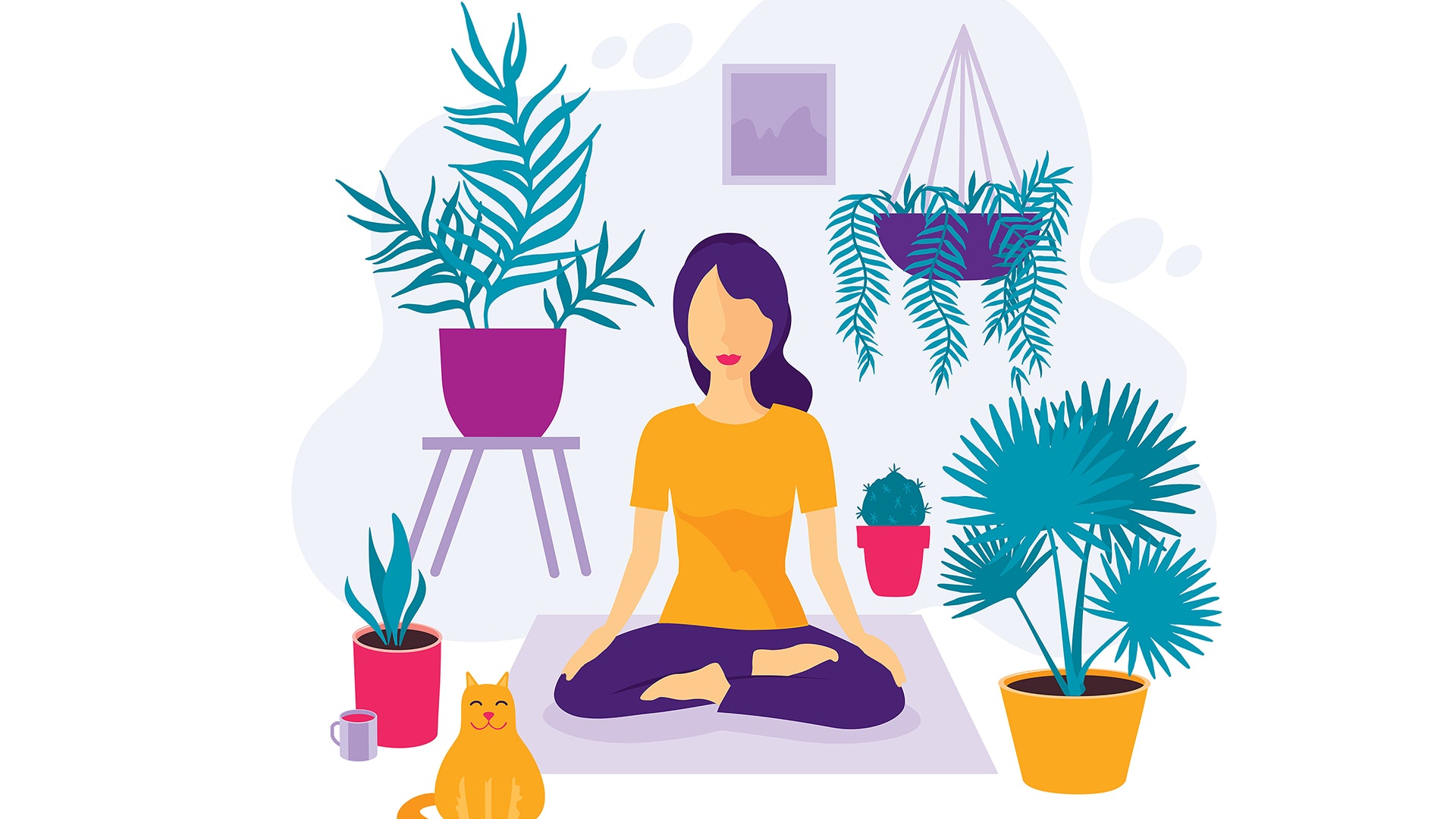
Take some minutes of your day to meditate and listen to these relaxing sounds!
Press the button to generate a random quote!
Mental Health During Pandemic
The coronavirus disease 2019 (COVID-19) pandemic has taken a toll on the mental health of millions of people around the world.
For many people, it is challenging to adapt to the new realities of working from home, temporary unemployment, home-schooling of children,
and lack of physical contact with other family members, friends and colleagues.
Added to this comes managing the fear of contracting the virus and worry about people close to us who are particularly vulnerable.
Recognizing that this situation can be particularly difficult for people with mental health conditions, we would like to encourage you to try doing these
things to help mantain a good mental health during a pandemic and quaratine.
We know how important routine is, especially for kids, under normal conditions. And when schools are closed and many people are
working from home or told to stay at home, it might feel like all bets are off. But it’s actually much better for everyone’s mental health
to try to keep a routine going, as much as possible.
This means eating meals at regular times, sleeping, waking and exercising at set times, and maintaining social (socially distant) contact.
Unstructured time can create boredom, spikes in anxiety or depression, which can lead to unhealthy patterns of coping.
Another reason is that keeping a routine reduces “decision fatigue,” the overwhelm and exhaustion that can come from too many options.
So in the morning, rather than wondering whether to start work or help the kids with their online learning, it’s better to know what you’re going
to do—make a schedule that everyone can get on board with, and try to stick with it (as much as is possible—don’t beat yourself up if it doesn’t
always work, and it’s sure not to work some days). This will free up some mental bandwidth during this time of uncertainty, which is already
straining everyone’s cognitive capacities.
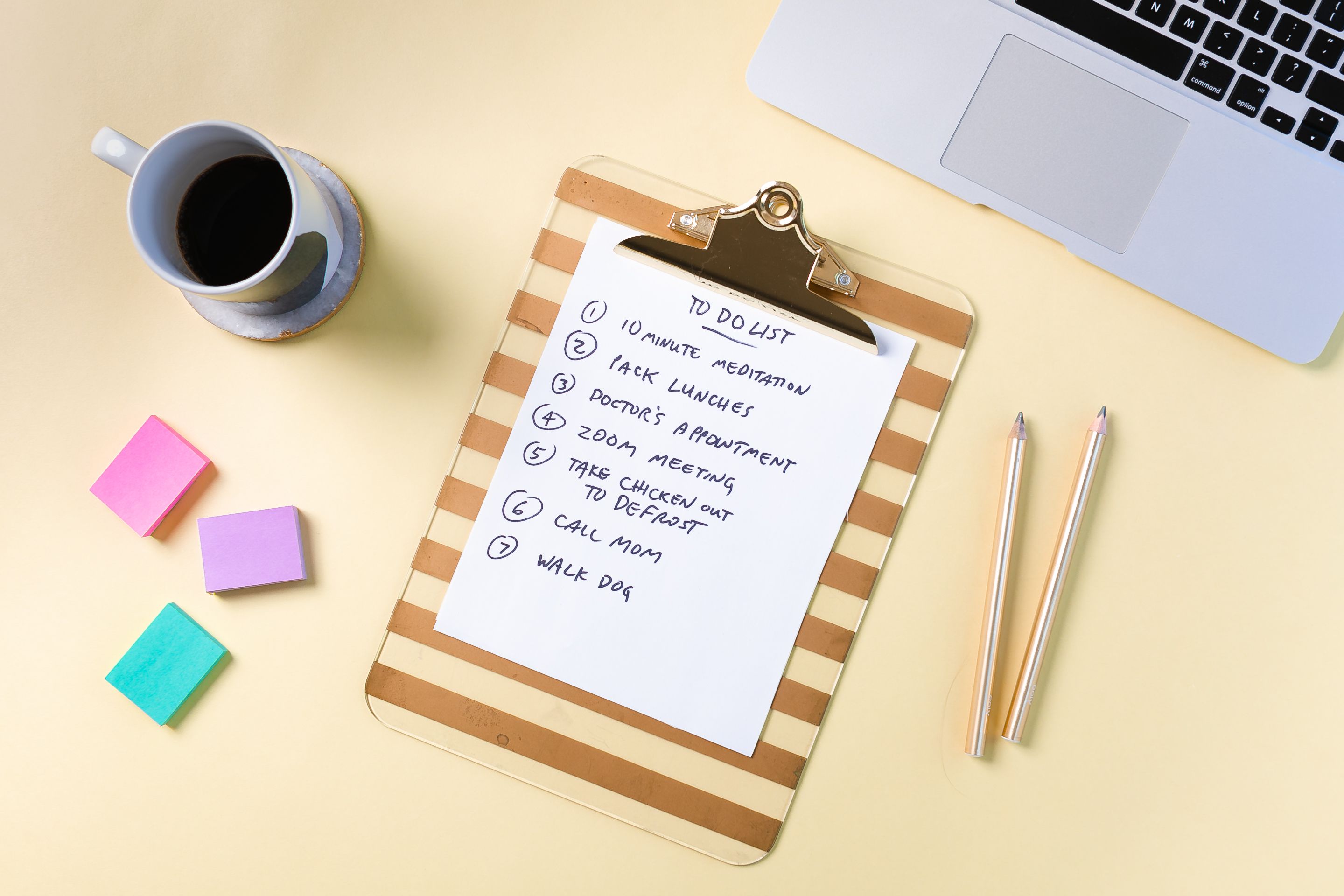
Make your own to-do list by clicking the button below!
Working on your home if you have time can be a good way to feel productive and in control (see caveat down below though).
“Take the opportunity of the extra time by decluttering, cleaning or organizing your home,” says Serani, referencing the book Trauma-Informed Care.
“Studies say the predictability of cleaning not only offers a sense of control in the face of uncertainty, but also offers your mind body and
soul a respite from traumatic stress.”
The caveat is that you don’t want to become obsessive about cleaning, since there’s only so much you can do.
But using the extra time, if you have it, to reorganize and toss or donate items you no longer use is a very good idea.
After hours of cleaning we all deserve some rest, don't we?
Use your relaxing time to play our mini game. Bring back the nostalgia!
Go to the game page by cliking here: Play game.
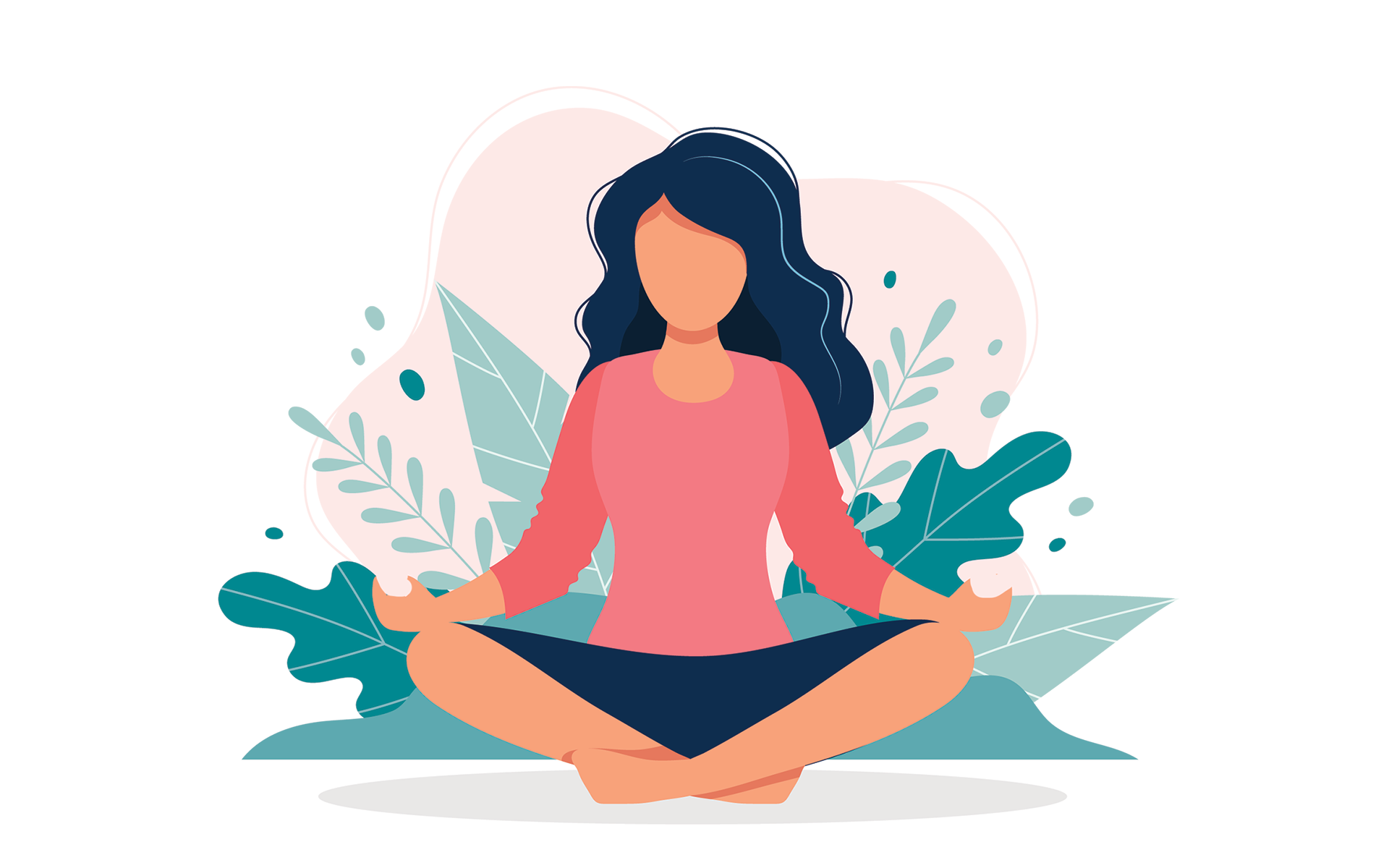
Meditation has lots of research behind it, as most people by now know—it’s been shown to reduce symptoms of depression and anxiety,
and even increase the volume of certain areas of the brain. Mindfulness-based stress reduction (MBSR), developed by Jon Kabat-Zinnat UMass,
has been shown, through numerous studies, to be effective—and while it generally involves an eight-week course, a number of organizations offer
this online.
But if meditation isn’t for you, just breathing slowly might be. Controlled breathing has been used for millennia to calm
the mind—and a study a few years ago showed the mechanism that might explain it. The researchers found that a tiny subset of
neurons in the area of the brain known to control various types of breathing also seemed to house a group of neurons that controlled
the animals’ level of arousal. Knocking this area out made mice uncharacteristically calm—and the team believe that slow breathing might
also tap into this area of the brain and have the same effect.
This is much easier in the country or suburbs, but if you’re in the city and it’s feasible, shimmy past your building neighbors
and go for a walk in the park. Remember to stay six feet away from other people—as city dwellers know, this can take some maneuvering,
but it’s possible.
And there are some very good reasons to do so. Lots of recent research finds that spending time in nature is a boon to both mental
and physical health. For instance, multiple studies have found that time in green and blue space is associated with reduced anxiety and depression,
and the connection may well be a causal one.
Being of service is one of the best things we can do for society—and on a more selfish note, for ourselves.
Studies have repeatedly found that serving others, even via small acts of kindness, has strong and immediate mental health benefits.
And feeling a sense of purpose has also been shown to help people recover from negative events and build resilience.
For people who are lucky enough to be healthy right now and not caring for a loved one who’s sick, finding ways to help others
in this kind of crisis is probably very good for your own well-being.
Working out at home in these times is obviously a good way to stay healthy and kill indoor time. There are lots of options,
from the 21st century ones (Peloton and MIRROR) to the old-fashioned ones (workout videos and the dusty hand weights in your closet).
Many online workout sources are offering free access or longer free trial periods during this time, which might be worth looking into.
But again, anything that gets your heart pumping or builds muscle is excellent for both physical and mental health.
Now before you leave the page I'm asking you to forget about everything for a while. Just take some deep breaths!
With each deep breath you take, click the button below!
Let's see how many deep breaths you take as long as you are visiting our web page.
 We know how important routine is, especially for kids, under normal conditions. And when schools are closed and many people are
working from home or told to stay at home, it might feel like all bets are off. But it’s actually much better for everyone’s mental health
to try to keep a routine going, as much as possible.
We know how important routine is, especially for kids, under normal conditions. And when schools are closed and many people are
working from home or told to stay at home, it might feel like all bets are off. But it’s actually much better for everyone’s mental health
to try to keep a routine going, as much as possible.
 Working on your home if you have time can be a good way to feel productive and in control (see caveat down below though).
“Take the opportunity of the extra time by decluttering, cleaning or organizing your home,” says Serani, referencing the book Trauma-Informed Care.
“Studies say the predictability of cleaning not only offers a sense of control in the face of uncertainty, but also offers your mind body and
soul a respite from traumatic stress.”
The caveat is that you don’t want to become obsessive about cleaning, since there’s only so much you can do.
But using the extra time, if you have it, to reorganize and toss or donate items you no longer use is a very good idea.
Working on your home if you have time can be a good way to feel productive and in control (see caveat down below though).
“Take the opportunity of the extra time by decluttering, cleaning or organizing your home,” says Serani, referencing the book Trauma-Informed Care.
“Studies say the predictability of cleaning not only offers a sense of control in the face of uncertainty, but also offers your mind body and
soul a respite from traumatic stress.”
The caveat is that you don’t want to become obsessive about cleaning, since there’s only so much you can do.
But using the extra time, if you have it, to reorganize and toss or donate items you no longer use is a very good idea.
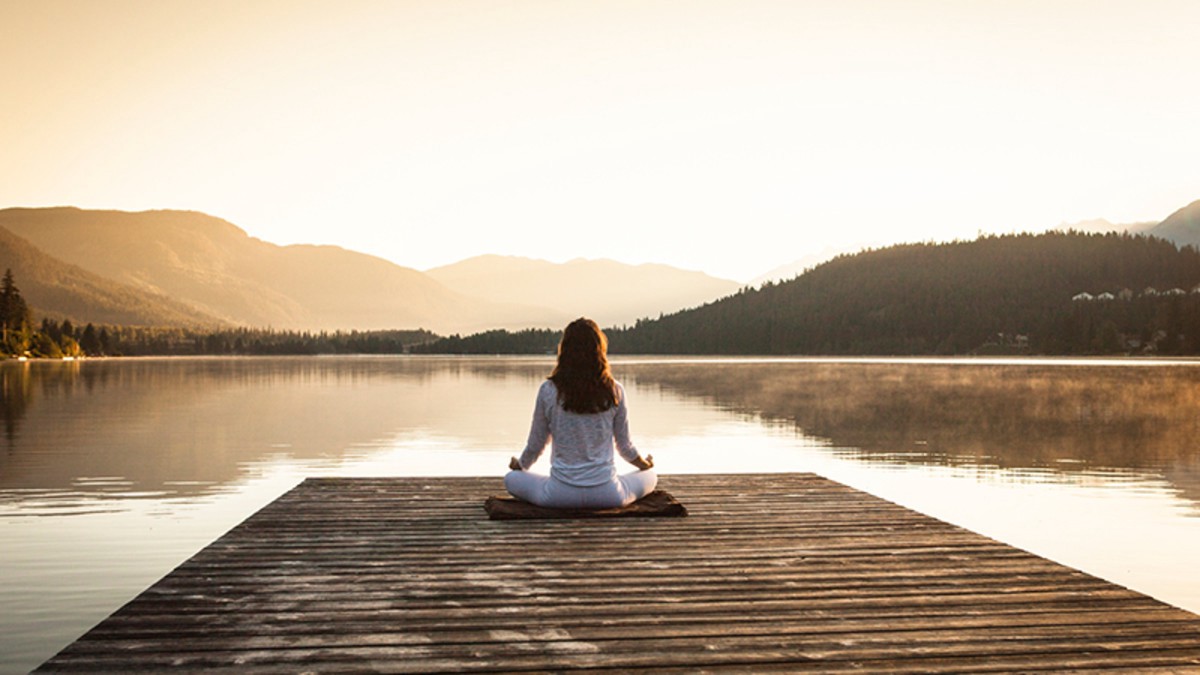 Meditation has lots of research behind it, as most people by now know—it’s been shown to reduce symptoms of depression and anxiety,
and even increase the volume of certain areas of the brain. Mindfulness-based stress reduction (MBSR), developed by Jon Kabat-Zinnat UMass,
has been shown, through numerous studies, to be effective—and while it generally involves an eight-week course, a number of organizations offer
this online.
But if meditation isn’t for you, just breathing slowly might be. Controlled breathing has been used for millennia to calm
the mind—and a study a few years ago showed the mechanism that might explain it. The researchers found that a tiny subset of
neurons in the area of the brain known to control various types of breathing also seemed to house a group of neurons that controlled
the animals’ level of arousal. Knocking this area out made mice uncharacteristically calm—and the team believe that slow breathing might
also tap into this area of the brain and have the same effect.
Meditation has lots of research behind it, as most people by now know—it’s been shown to reduce symptoms of depression and anxiety,
and even increase the volume of certain areas of the brain. Mindfulness-based stress reduction (MBSR), developed by Jon Kabat-Zinnat UMass,
has been shown, through numerous studies, to be effective—and while it generally involves an eight-week course, a number of organizations offer
this online.
But if meditation isn’t for you, just breathing slowly might be. Controlled breathing has been used for millennia to calm
the mind—and a study a few years ago showed the mechanism that might explain it. The researchers found that a tiny subset of
neurons in the area of the brain known to control various types of breathing also seemed to house a group of neurons that controlled
the animals’ level of arousal. Knocking this area out made mice uncharacteristically calm—and the team believe that slow breathing might
also tap into this area of the brain and have the same effect.
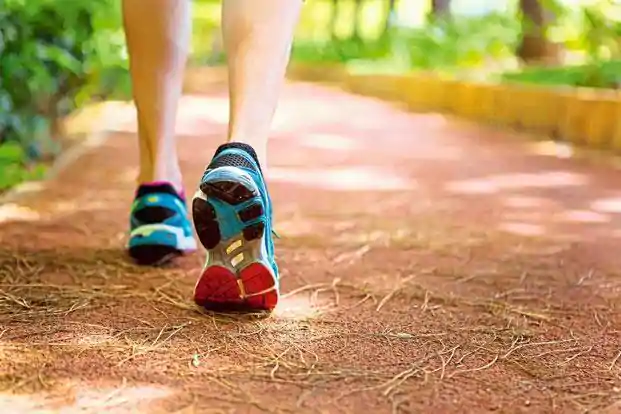 This is much easier in the country or suburbs, but if you’re in the city and it’s feasible, shimmy past your building neighbors
and go for a walk in the park. Remember to stay six feet away from other people—as city dwellers know, this can take some maneuvering,
but it’s possible.
And there are some very good reasons to do so. Lots of recent research finds that spending time in nature is a boon to both mental
and physical health. For instance, multiple studies have found that time in green and blue space is associated with reduced anxiety and depression,
and the connection may well be a causal one.
This is much easier in the country or suburbs, but if you’re in the city and it’s feasible, shimmy past your building neighbors
and go for a walk in the park. Remember to stay six feet away from other people—as city dwellers know, this can take some maneuvering,
but it’s possible.
And there are some very good reasons to do so. Lots of recent research finds that spending time in nature is a boon to both mental
and physical health. For instance, multiple studies have found that time in green and blue space is associated with reduced anxiety and depression,
and the connection may well be a causal one.
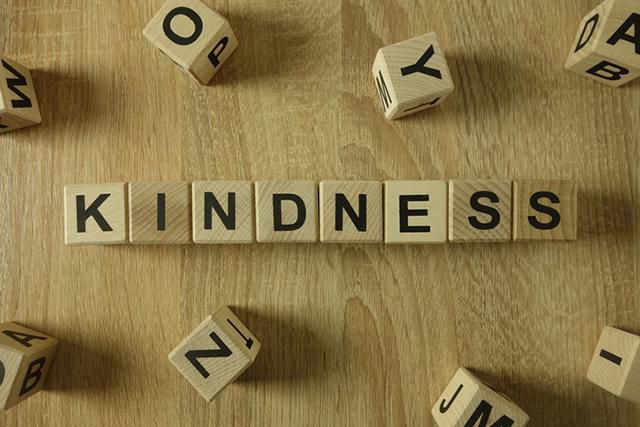 Being of service is one of the best things we can do for society—and on a more selfish note, for ourselves.
Studies have repeatedly found that serving others, even via small acts of kindness, has strong and immediate mental health benefits.
And feeling a sense of purpose has also been shown to help people recover from negative events and build resilience.
For people who are lucky enough to be healthy right now and not caring for a loved one who’s sick, finding ways to help others
in this kind of crisis is probably very good for your own well-being.
Being of service is one of the best things we can do for society—and on a more selfish note, for ourselves.
Studies have repeatedly found that serving others, even via small acts of kindness, has strong and immediate mental health benefits.
And feeling a sense of purpose has also been shown to help people recover from negative events and build resilience.
For people who are lucky enough to be healthy right now and not caring for a loved one who’s sick, finding ways to help others
in this kind of crisis is probably very good for your own well-being.
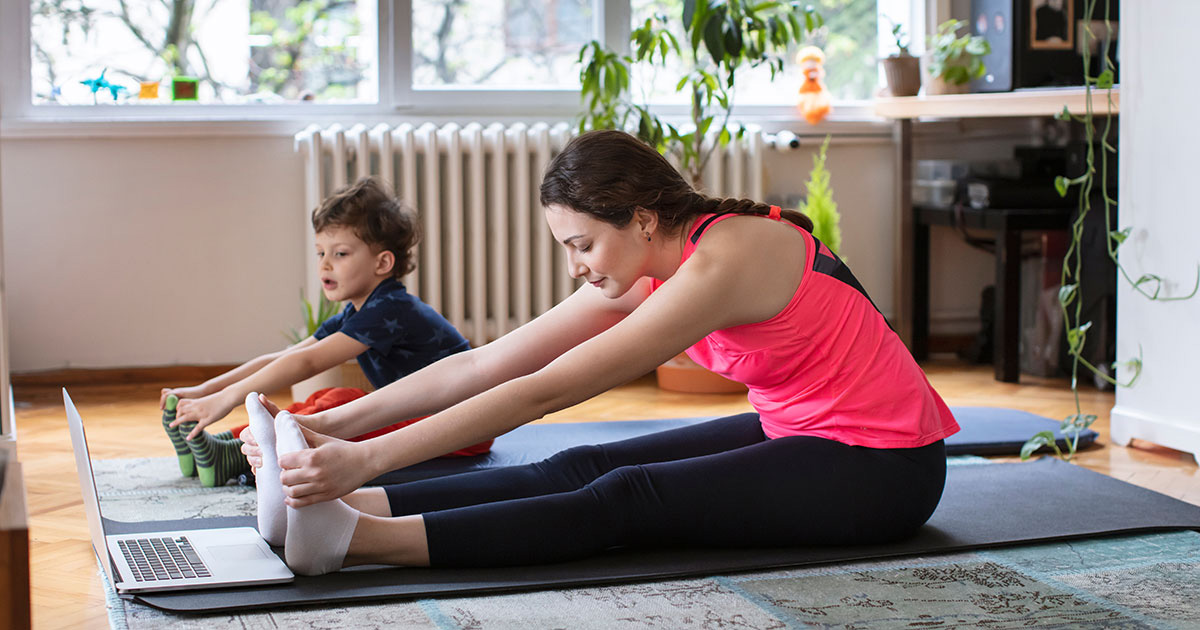 Working out at home in these times is obviously a good way to stay healthy and kill indoor time. There are lots of options,
from the 21st century ones (Peloton and MIRROR) to the old-fashioned ones (workout videos and the dusty hand weights in your closet).
Many online workout sources are offering free access or longer free trial periods during this time, which might be worth looking into.
But again, anything that gets your heart pumping or builds muscle is excellent for both physical and mental health.
Working out at home in these times is obviously a good way to stay healthy and kill indoor time. There are lots of options,
from the 21st century ones (Peloton and MIRROR) to the old-fashioned ones (workout videos and the dusty hand weights in your closet).
Many online workout sources are offering free access or longer free trial periods during this time, which might be worth looking into.
But again, anything that gets your heart pumping or builds muscle is excellent for both physical and mental health.